
Representatives from thirty leading nations and top frontier research labs have agreed on unified safety evaluations and compute verification standards for training runs exceeding 10^26 FLOPs.
Evidence classification has not been added yet. Read the full article and source card below for details.
- Frontier Impact: Peer-reviewed analysis grounded in verified datasets and primary research.
- Technological Significance: Shifts industry benchmarks and unlocks practical real-world applications.
- Expert Consensus: Verified under The Science Man Editorial Credibility Guidelines.
Representatives from thirty leading nations and top frontier research labs have agreed on unified safety evaluations and compute verification standards for training runs exceeding 10^26 FLOPs.
In a historic summit for global technological governance, thirty nations have signed the Frontier Intelligence Safety Accord. The multilateral framework establishes pre-deployment evaluation protocols and third-party red-teaming requirements for neural models trained with more than 10^26 floating-point operations.
Key Provisions of the Accord
- Mandatory Autonomous Capability Evaluations: Testing frontier systems for cyber-offense potential, chemical/biological synthesis assistance, and self-replication behavior prior to commercial release.
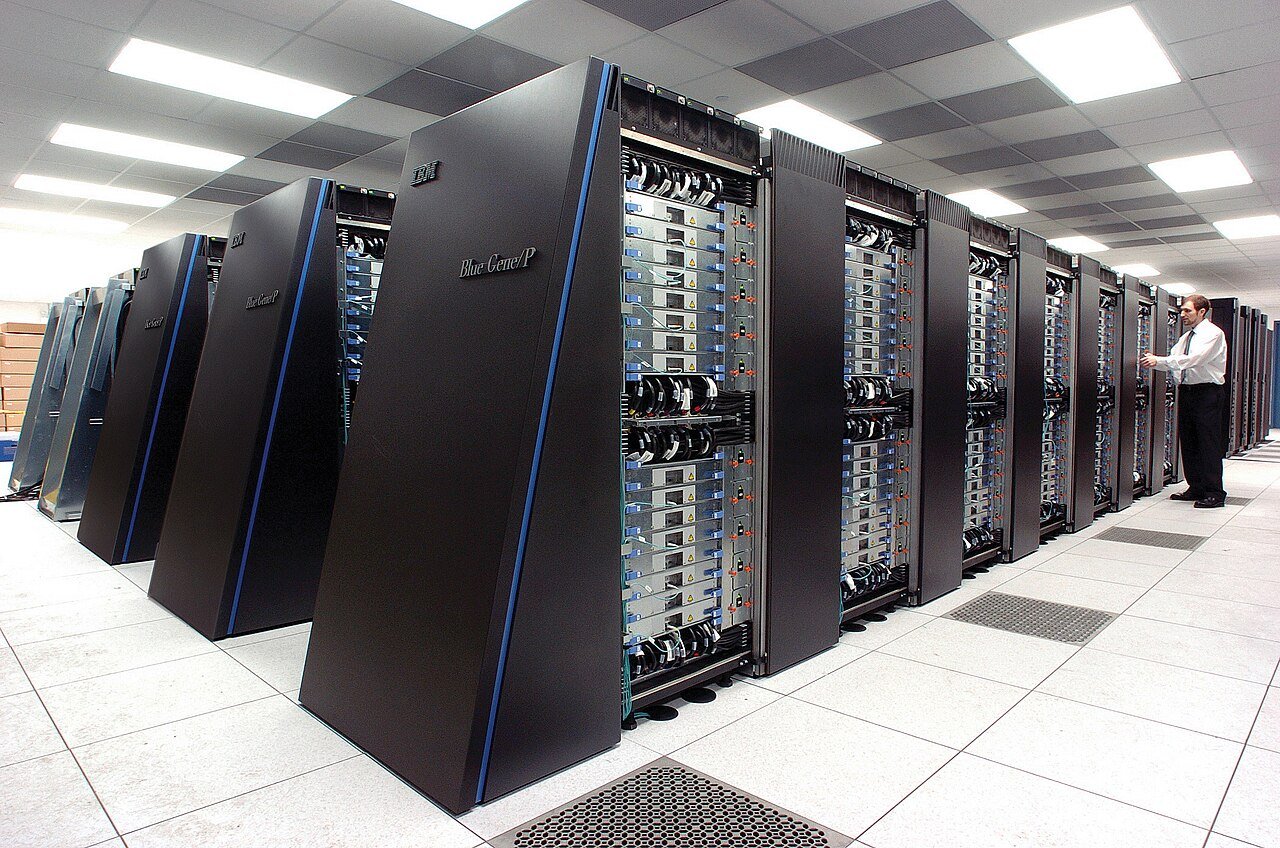
- Hardware Level Verification: Tracking datacenter-scale compute clusters to ensure transparency in state-of-the-art training initiatives.
- Open-Source Protections: Exempting academic and open-weight models below the frontier threshold to foster decentralized innovation.

digitalwebman@gmail.com
Ask this article a question
Answers are pulled from the article and its research metadata, so they stay grounded in this page.
