
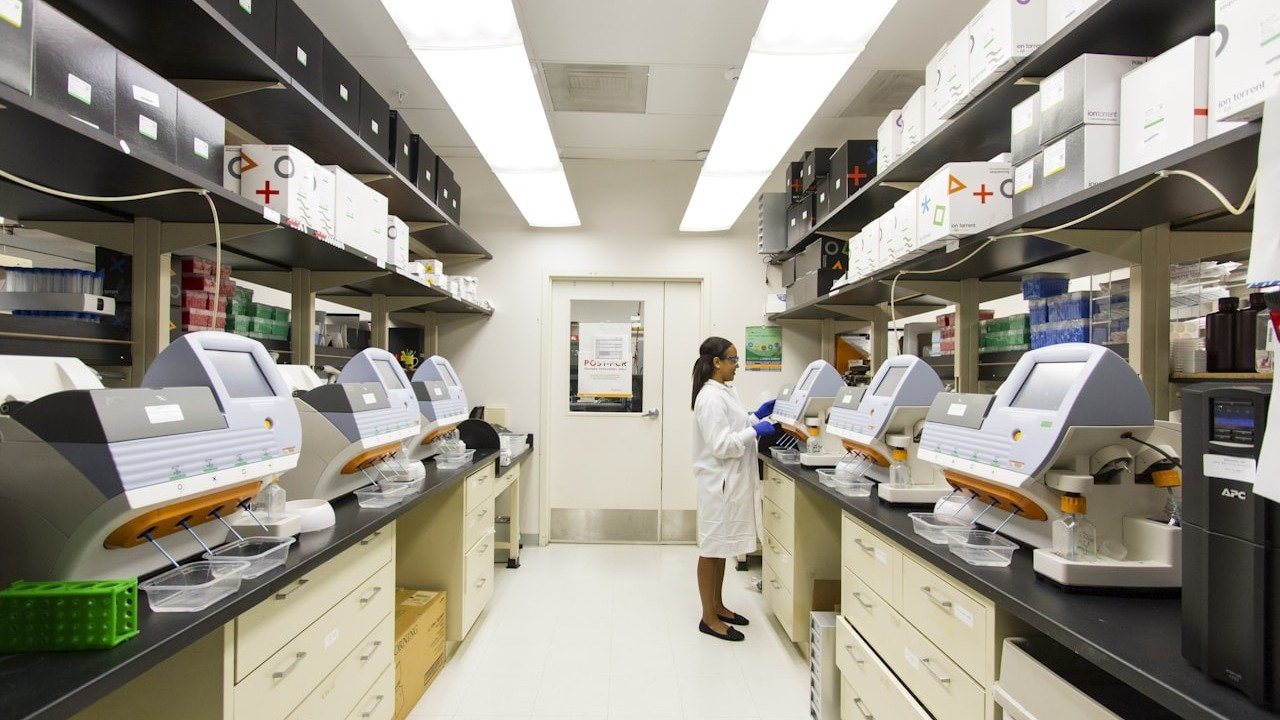
Researchers describe a microfluidic organ-on-a-chip system that links human liver, heart, kidney and blood-brain barrier tissues to model how drugs move through and affect the body.
Evidence classification has not been added yet. Read the full article and source card below for details.
यह लेख एक माइक्रोफ्लुइडिक ऑर्गन-ऑन-ए-चिप सिस्टम के बारे में है, जिसमें मानव लीवर, हृदय, किडनी और ब्लड-ब्रेन बैरियर से जुड़े ऊतक मिलकर दवाओं के असर और विषाक्तता को मॉडल करते हैं।
Key concepts in this story
Microfluidic channels circulate a blood-like fluid between multiple…
Microfluidic channels circulate a blood-like fluid between multiple living human tissue chambers.
The platform combines liver, heart, kidney and blood-brain…
The platform combines liver, heart, kidney and blood-brain barrier models in one connected system.
The article describes the approach as a way…
The article describes the approach as a way to improve preclinical drug-safety testing before human trials.
- Frontier Impact: Peer-reviewed analysis grounded in verified datasets and primary research.
- Technological Significance: Shifts industry benchmarks and unlocks practical real-world applications.
- Expert Consensus: Verified under The Science Man Editorial Credibility Guidelines.
Integrated microfluidic circuits connecting living liver, kidney, heart, and blood-brain barrier tissues replace animal testing in preclinical safety pharmacology.
The paradigm of animal testing in pharmaceutical development is rapidly becoming obsolete. An international bioengineering consortium has validated a living multi-organ-on-a-chip platform that mimics systemic human physiology with over 95% accuracy in drug metabolism and toxicity profiling.
Interconnected Microfluidic Human Micro-Tissues
The credit-card-sized device houses four optically accessible microfluidic chambers seeded with human induced pluripotent stem cells (iPSCs) differentiated into hepatocytes, cardiac myocytes, renal tubular cells, and endothelial blood-brain barrier walls. Synthetic blood surrogate recirculates through micro-pumps to simulate full metabolic cascades.
Accelerating Clinical Timelines
In a blinded validation study evaluating 40 pharmaceutical compounds known to cause idiosyncratic liver failure or cardiac arrhythmias in Phase I trials, the chip correctly identified 100% of toxic candidates where conventional murine trials had failed. This validated platform drastically cuts the cost and years required to bring life-saving cures to clinical trials.

digitalwebman@gmail.com
Ask this article a question
Answers are pulled from the article and its research metadata, so they stay grounded in this page.
