
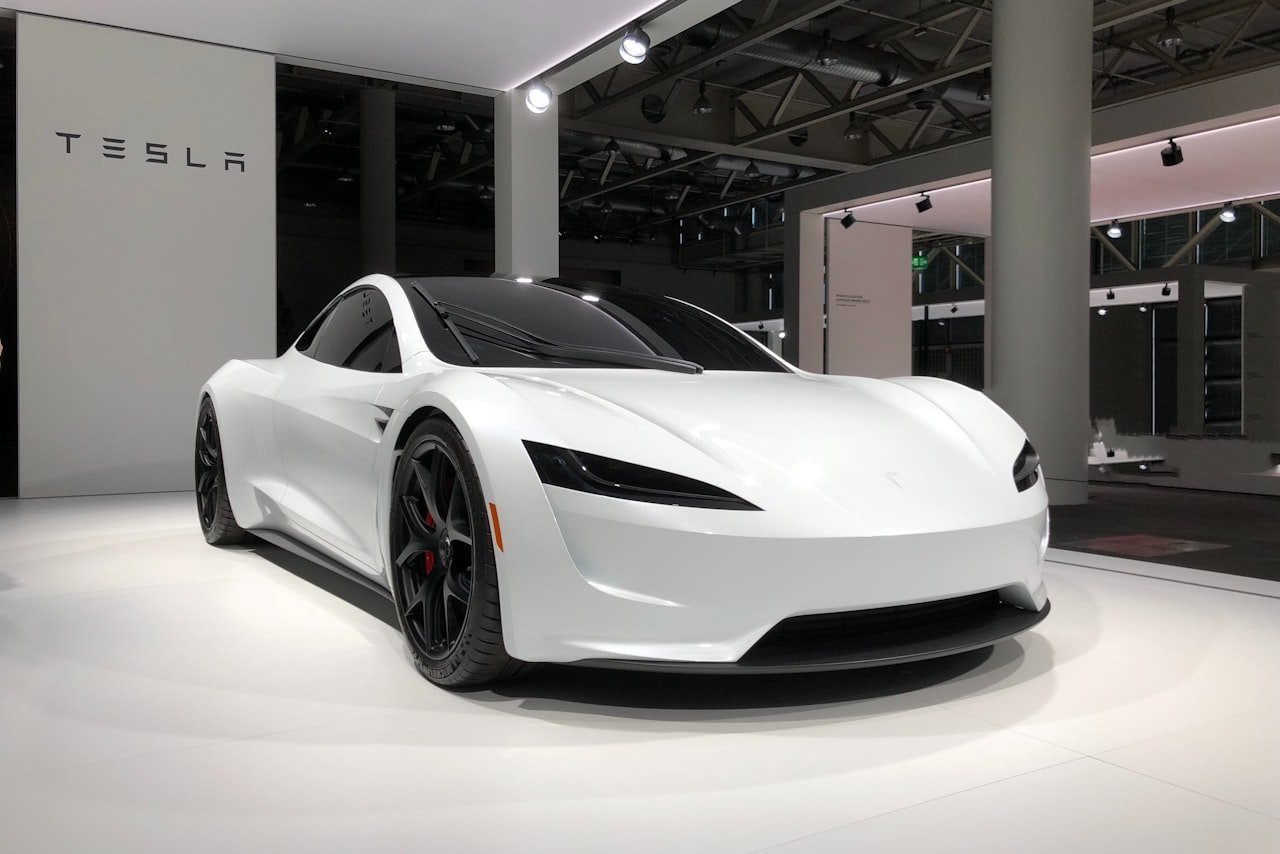
Automotive prototypes equipped with ceramic electrolyte solid-state cells have completed rigorous endurance tests, demonstrating negligible capacity degradation across 1,000 charge cycles.
Evidence classification has not been added yet. Read the full article and source card below for details.
- Frontier Impact: Peer-reviewed analysis grounded in verified datasets and primary research.
- Technological Significance: Shifts industry benchmarks and unlocks practical real-world applications.
- Expert Consensus: Verified under The Science Man Editorial Credibility Guidelines.
Automotive prototypes equipped with ceramic electrolyte solid-state cells have completed rigorous endurance tests, demonstrating negligible capacity degradation across 1,000 charge cycles.
The long-anticipated transition from liquid lithium-ion chemistry to solid-state energy storage is transitioning from laboratory validation to automotive road trials. Production prototypes featuring sulfide-based solid electrolytes demonstrated over 1,000 kilometers of real-world range on a single charge.
Eliminating Thermal Runaway
Because solid-state cells eliminate volatile liquid solvents, they operate stably at elevated temperatures, allowing aggressive fast-charging protocols that bring a battery from 10% to 80% state-of-charge in just 12 minutes.

digitalwebman@gmail.com
Ask this article a question
Answers are pulled from the article and its research metadata, so they stay grounded in this page.
