
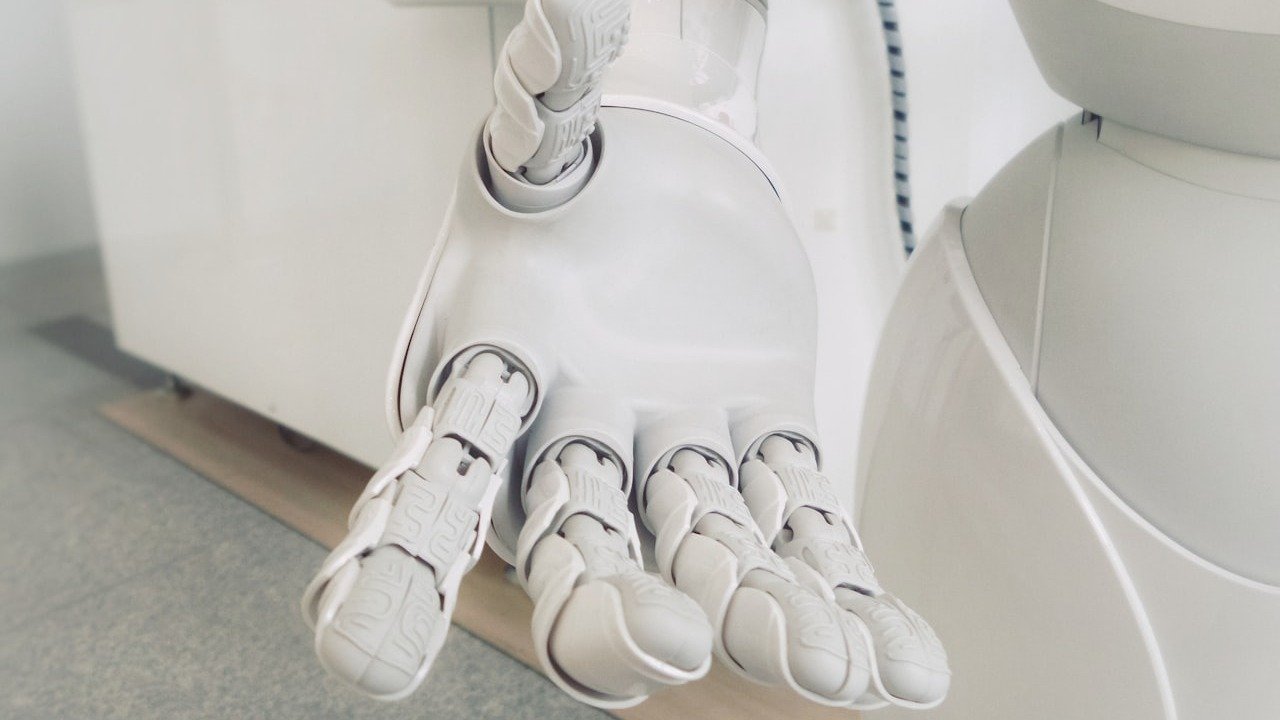
Electroactive nanocomposite hydrogels mimic octopus tentacles to create silent, resilient soft-robotic manipulators capable of lifting 500 times their own mass.
Evidence classification has not been added yet. Read the full article and source card below for details.
- Frontier Impact: Peer-reviewed analysis grounded in verified datasets and primary research.
- Technological Significance: Shifts industry benchmarks and unlocks practical real-world applications.
- Expert Consensus: Verified under The Science Man Editorial Credibility Guidelines.
Electroactive nanocomposite hydrogels mimic octopus tentacles to create silent, resilient soft-robotic manipulators capable of lifting 500 times their own mass.
Rigid metallic linkages are giving way to compliant, biological elasticity. Inspired by the muscular hydrostats of deep-sea cephalopods, roboticists have engineered an electroactive hydrogel actuator that delivers unprecedented tensile strength and mechanical efficiency.
Nanocomposite Molecular Architecture
The material combines interpenetrating networks of aramid nanofibers and conductive polyaniline polymers. When a low-voltage electrical potential is applied across the matrix, rapid ion migration causes an instantaneous volumetric contraction, generating an actuation power density of over 1.2 kW/kg—ten times that of mammalian skeletal muscle.
Applications in Fragile Marine and Space Environments
Because the actuators operate completely silently and without motors, gears, or pressurized fluids, they are ideal for delicate underwater exploration, non-destructive surgical endoscopes, and soft aerospace capture mechanisms for delicate satellite repair.

digitalwebman@gmail.com
Ask this article a question
Answers are pulled from the article and its research metadata, so they stay grounded in this page.
